 Gromman Voice
How voice assistants keep dental chairs booked 24/7
Missed calls, after-hours requests, and insurance checks are the real bottlenecks — here is how a voice assistant removes them.
Why dental clinics automate the phone line
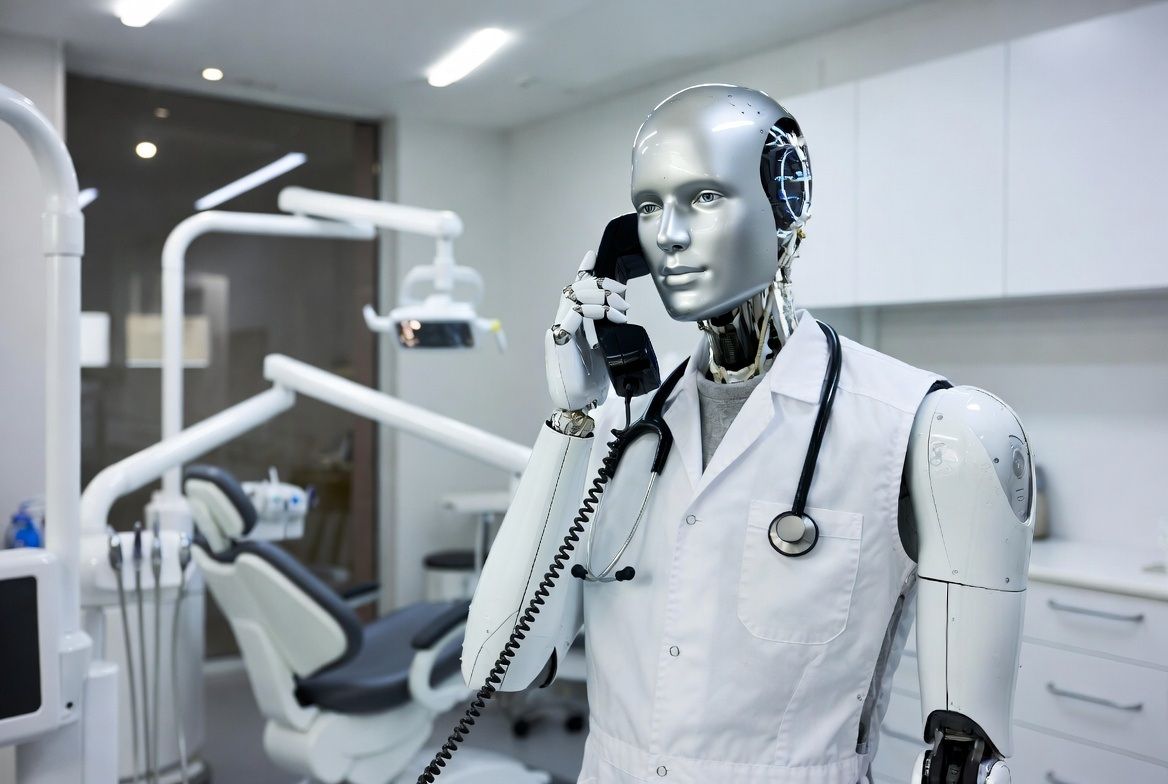
Every missed call is a lost filling, whitening, or aligner plan. Voice AI now greets patients in under two seconds, verifies insurance, and offers the next open slot even when the front desk is chairside. Multi-location groups in Chicago, Dubai, and Warsaw run the exact same script to keep hygiene bays full without expanding headcount.
- Automate new-patient intake, recall reminders, insurance eligibility, and payment plans.
- Capture preferred doctor, treatment type, and language before the call hits your team.
- Push structured data into Dentrix, Open Dental, or a CRM queue with full context.
Who this is for
- Dental service organizations coordinating dozens of practices and shared call centers.
- Cosmetic and implant clinics with high-value treatments and bilingual callers.
- Boutique practices that run lean front desks but want 24/7 scheduling coverage.
- Hygiene directors tracking recall rates across multiple cities.
- Marketing leaders who need every call outcome logged without manual typing.
Real-world scenario (30 seconds)
A patient texts at 22:41 about sudden crown sensitivity. The assistant calls back, switches to Spanish after the patient’s first reply, confirms coverage, and suggests the earliest restorative slot. When the dentist walks in the next morning, the chart already shows the transcript, insurance note, and appointment.
Expert field note
We ship only what survives live clinic loads: queues are tuned against real hygiene recall volumes, security is signed off with legal, and escalation steps are rehearsed with lead dentists. The workflow above is a production playbook, not a lab mockup.
The bottleneck we see in dental workflows
| Manual front desk | Voice AI with Gromman Voice |
|---|---|
| Hold music while staff juggle phones, PMS, and portals. | Assistant handles the entire call, writing structured notes to the PMS. |
| Evening and weekend calls roll to voicemail. | 24/7 coverage, bilingual prompts, instant booking or callback routing. |
| Insurance verification interrupts chair time. | Eligibility and copay pulled in real time before the patient arrives. |
| Recall campaigns require dozens of outbound calls. | Assistant runs automated recall flows, tracks responses, and sends SMS follow-ups. |
Without vs With Voice Assistant
| Without automation | With Gromman Voice |
|---|---|
| Hygienists get interrupted to confirm insurance or reschedule. | Phone never rings inside the operatory; assistant resolves common intents. |
| Multi-site groups can’t monitor call outcomes centrally. | Dashboards display ASA, conversion, and recall close rate per region. |
| Bilingual callers wait for a specific team member. | Multilingual models swap languages mid-call and note preferences. |
| Managers rely on anecdotal data for staffing. | Every interaction is logged with tags (new patient, recall, emergency). |
Blueprint for dental scheduling automation
Step 1 – Identify caller and treatment intent
Recognize the patient via phone number or confirm details with a one-time code. New patients are tagged with “intake pending” until insurance is validated.
Step 2 – Gather clinical and payment context
Ask treatment type (cleaning, Invisalign, emergency pain), allergies, prior work, and payment plan. Responses map to procedure codes so the right chair length is reserved.
Step 3 – Insurance eligibility + scheduling
Connect to clearinghouses (Vyne, DentalXChange) to confirm coverage and copay. Offer the nearest qualifying slot and send SMS/email confirmations.
Step 4 – Escalate when needed
Keywords like “trauma,” “bleeding,” or “implant failure” trigger a warm transfer to the on-call doctor. The console shows transcript, insurance status, and patient sentiment.
Integration & compliance stack
- Telephony: Twilio, RingCentral, SIP trunks. No changes to recordings or QA.
- Practice management: Dentrix, Open Dental, Eaglesoft, CareStack. Data travels via Gromman Playbooks.
- Finance/CRM: Salesforce, HubSpot, payment plans. Notes push directly into campaigns.
- Security: HIPAA-ready logging, BAA, data residency per region, audit exports to Splunk.
- Localization: English, Spanish, Arabic, Polish. Dental terminology dictionaries keep drug/implant names accurate.
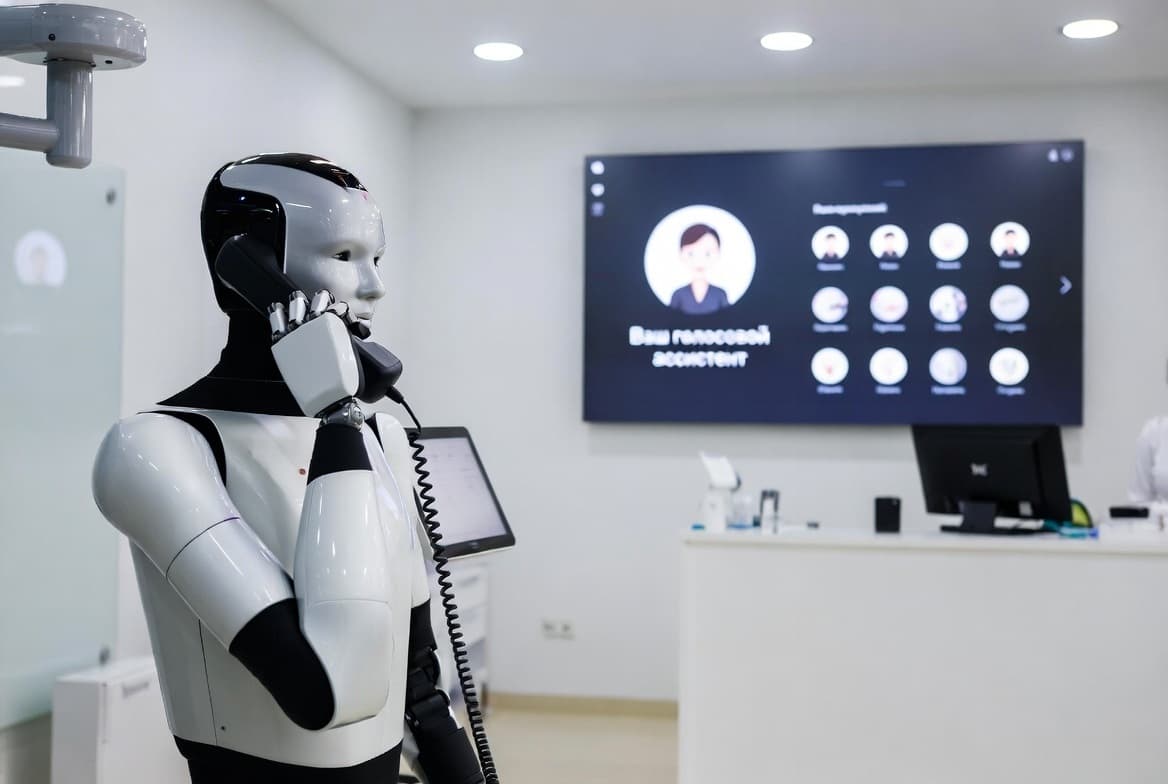
See how the modules connect on the healthcare solution page — dental assistants for recall, cosmetic upsell, and emergency triage are described there with deployment options.
KPI cockpit
- Average speed of answer — keep it under 8 seconds even during whitening season.
- Recall conversion rate — track how many lapsed patients scheduled via automation.
- Insurance prep time saved — minutes returned per day when coverage checks are automated.
- No-show reduction — compare automated reminders vs manual pinboards.
- Sentiment score — monitor how patients perceive automated outreach.
Deployment timeline
| Week | Focus | Owner |
|---|---|---|
| 1 | Intent mapping, compliance, call script review | Operations + Legal |
| 2 | Build bilingual prompts, connect PMS sandbox | Gromman Voice team |
| 3 | Pilot one practice, QA transcripts, tune escalations | Lead dentist |
| 4 | Roll out to rest of network, train dashboards, audit logs | DSO contact center lead |
What you get
- Ready-to-use voice assistant built around your scripts and branding.
- Custom workflows for intake, recall, insurance, and finance.
- Multilingual setup including pronunciation dictionaries for procedures and doctors.
- Analytics & logging with HIPAA-compliant transcripts and insurance timestamps.
- Deployment & support from a team that iterates with your ops managers.
Regional examples
- Midwest DSO: 48% of hygiene recalls booked automatically, ASA < 7 seconds.
- Dubai cosmetic clinic: Arabic/English assistant upsells whitening while verifying insurance.
- Warsaw implant center: Night emergency line deflects 60% of non-urgent cases.
Ready to fill every chair?
Gromman Voice runs intake, insurance, and recall from one console. Head to the [healthcare solution page](/solutions/medical) to review the ready-made dental assistants and pick the one that matches your call volume. On the next screen you’ll see deployment packages, demo videos, and custom add-ons.
Frequently asked questions
Does a voice assistant replace the front desk? It handles predictable flows (intake, insurance, recall) so staff can focus on chairside service and high-touch cases.
How long does deployment take? Four weeks: discovery, knowledge base build, pilot, then scale. Existing Gromman customers can move faster.
Can the assistant handle multiple languages? Yes. English, Spanish, Arabic, and Polish packs, plus pronunciation dictionaries for doctors and procedures.
Is the data HIPAA compliant? Transcripts, audio, and metadata are encrypted at rest and in transit, stored in HIPAA-ready regions.